
How Bikepacking Helped Shape the American Youth Hostels Movement
Inspired by the classic American Youth Hostels bike touring tradition, Teen Treks gives teens a safe, life-changing way to explore the world by bicycle. Our independently operated trips help young riders discover the thrill of the open road, build confidence, and form lasting friendships along the way.
Do Youth Hostels Still Exist?
Absolutely! Youth hostels are definitely still around. Born from cycling roots, they’ve evolved but still have a sustainable edge by cutting carbon footprints by 95% compared to hotels because of light packing and shared resources.
In our screen-heavy world, these places remind us that teens need real, human hangouts to unplug and bond over adventures.
Shared Roots Live On
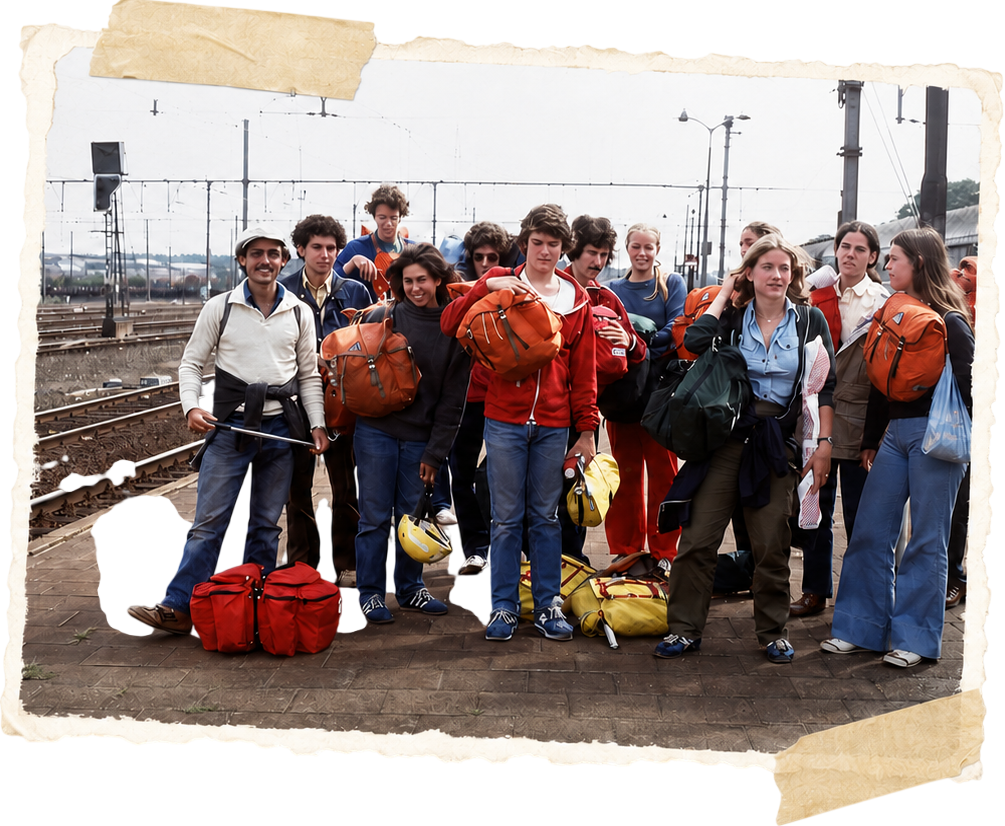
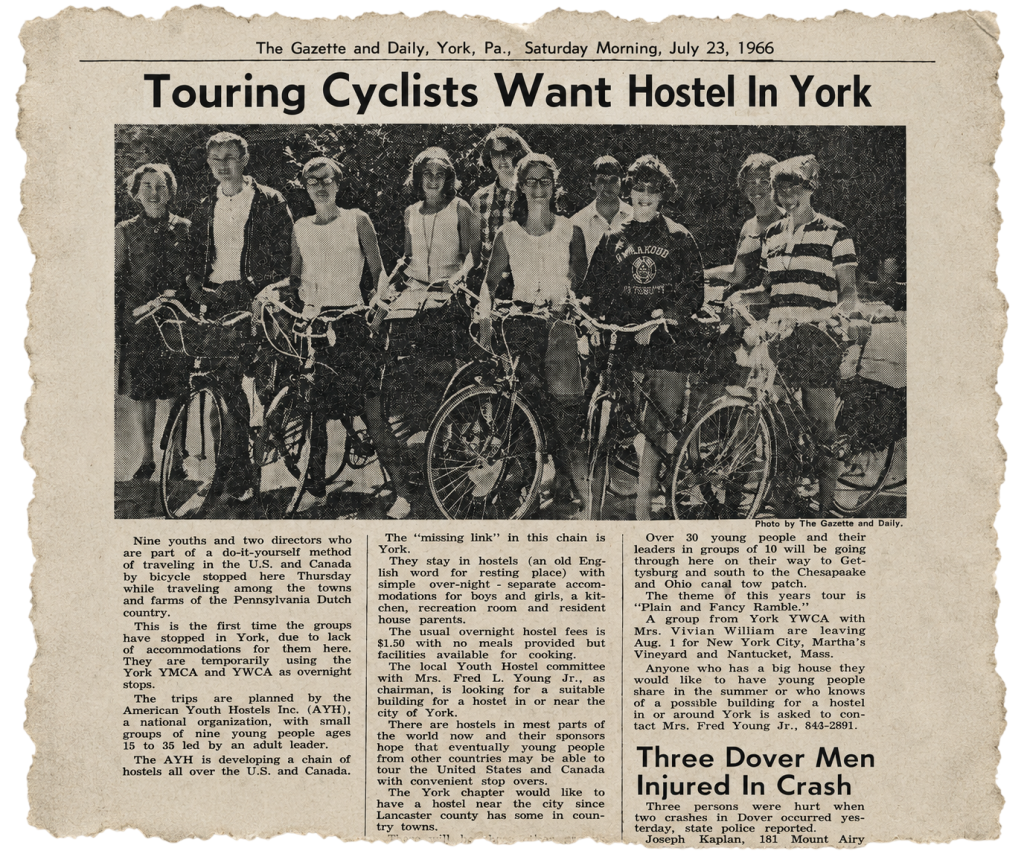
In 1934, Isabel and Monroe Smith helped bring the youth-hostel movement to the United States by opening the first American Youth Hostel in Northfield, Massachusetts. From the beginning, bicycling was part of the idea.
Early AYH hostels were often placed within reachable distances for cyclists, making bike travel a natural way for young people to move between communities, spend time outdoors, and experience the world at a slower, more meaningful pace.
Teen Treks draws from that history through independently operated teen bikepacking trips that give young riders a chance to travel, learn, and grow together on the road.
Self-Discovery in Real Communities
Some of the most powerful parts of bikepacking happen between destinations.
A long ride gives teens time to talk. A shared meal gives them time to connect. A challenge on the road gives them a chance to solve problems together.
That was part of the magic of early hostel-to-hostel bicycle travel. Riders were not simply passing through places. They were participating in the journey.
Teen Treks keeps that spirit alive through small-group bikepacking trips where teens carry their own gear, share responsibilities, help with meals, and learn how to support one another as a traveling community.
Why Did the Original Hostel-to-Hostel Bikepacking Model Change?
The youth-hostelling movement has evolved over time. Travel became faster. Cars and planes changed how people moved. Cities grew. Technology changed how young people connect. Hostelling organizations also changed, with many hostels shifting toward larger urban locations and modern traveler needs.
Why Did the Original Hostel-to-Hostel Bikepacking Model Change?
Young people still need adventure. They still need time outdoors. They still need real friendships, meaningful responsibility, and opportunities to discover what they are capable of away from screens and everyday routines.
Teen Treks was built around those same enduring values.
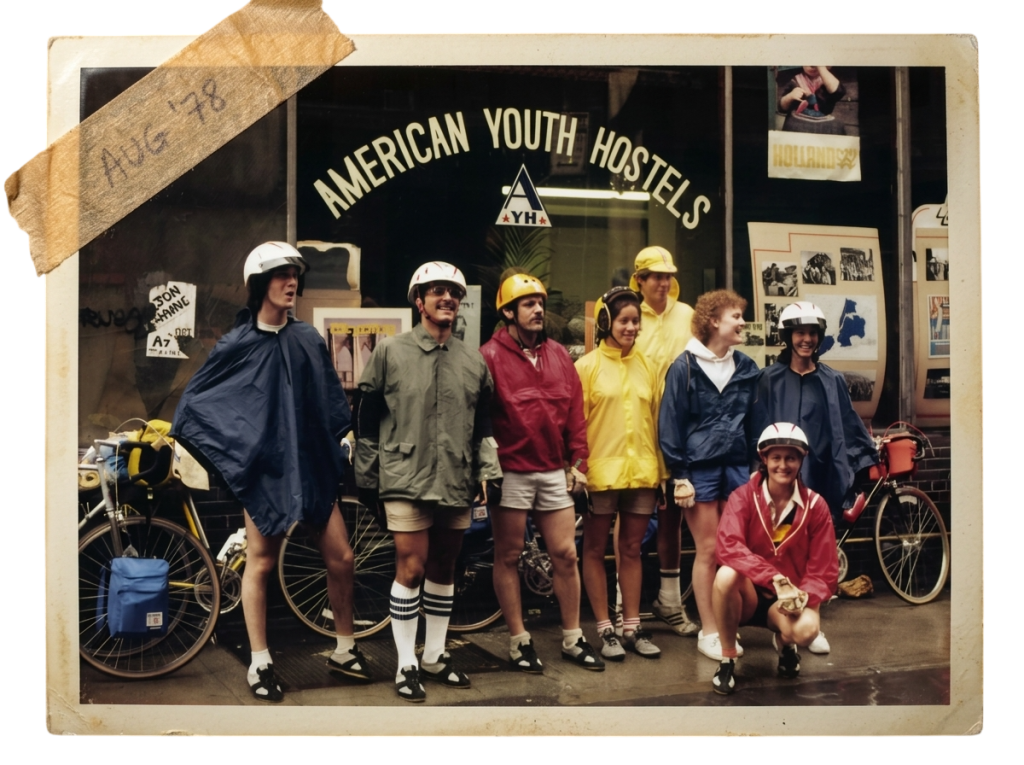

Young people still need adventure.
They still need time outdoors.
They still need real friendships
Travel Became Faster
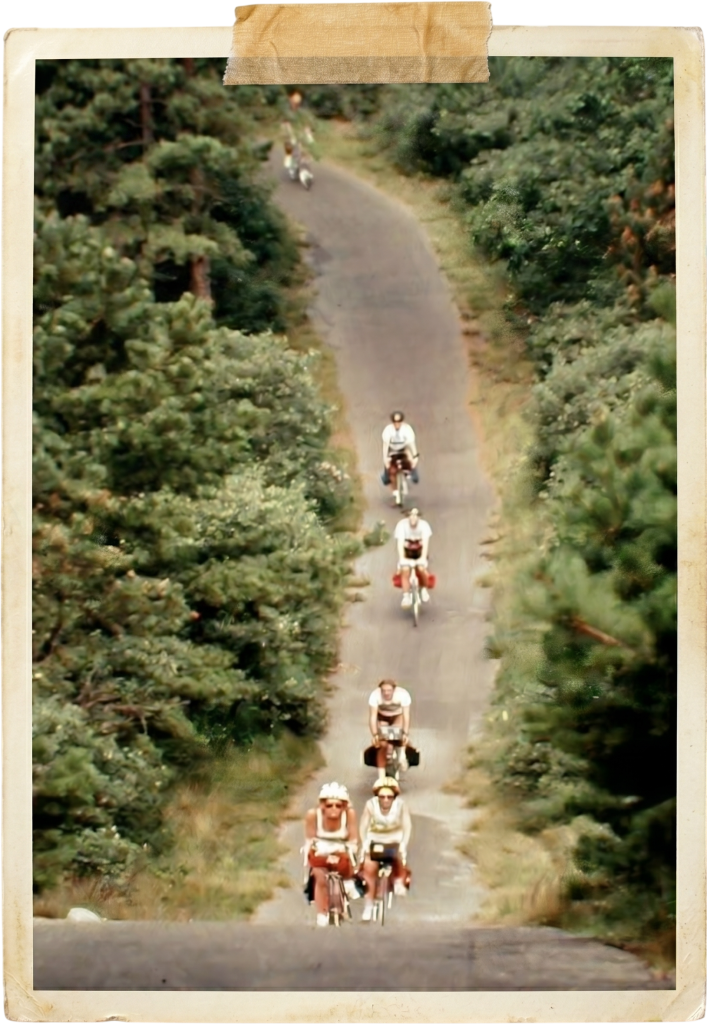
When American Youth Hostels began, bicycling was part of the adventure. The journey itself mattered. Young travelers moved slowly enough to notice the land, the towns, the people, and each other.
Modern travel often skips that part. It gets us there faster, but not always deeper. A Teen Treks bikepacking trip brings back the value of the journey. Teens travel at a human pace, experiencing the miles between places instead of simply arriving at the next destination.


Screens Changed Connection
Teens today live in a world of constant digital noise. Messages, apps, videos, and notifications fill their days. On a Teen Treks bikepacking trip, connection happens differently.
Riders talk while pedaling. They make decisions as a group. They cook together, set up camp together, navigate together, and learn how to be present with the people around them.
That kind of connection cannot be downloaded. It has to be experienced.


Adventure Became Harder to Find
Real adventure gives teens something they cannot get from a screen: effort, uncertainty, teamwork, and the pride of doing something difficult.
The historic AYH bike touring tradition gave young people a way to experience that kind of growth through travel. Teen Treks carries that spirit forward through supervised, self-supported bikepacking trips designed for today’s teens.
Every mile becomes part of the lesson. Every challenge becomes part of the story.


How Does Bikepacking Promote Youth Travel?
Bikepacking helps young people experience travel more fully by connecting them to the places they move through. That slower, more immersive pace is one reason bicycling played such an important role in early youth-hostel travel. Teen Treks carries that spirit forward through its own independent bikepacking trips built around exploration, responsibility, and connection.
Bikepacking Builds Bonds
Bikepacking has a way of turning a group of strangers into a team. Teens encourage each other through hard climbs. They celebrate small victories. They learn how to communicate, compromise, and keep moving together.
By the end of a trip, the friendships often feel different from ordinary summer friendships because they were built through shared effort and real experience.
Bikepacking Connects Teens to the World Around Them
Bikepacking also helps teens develop a closer relationship with the outdoors. They feel the weather change. They notice the landscape. They understand how far they have traveled because they powered the journey themselves.
That experience creates gratitude, awareness, and respect for the places they pass through. For many teens, a bikepacking trip becomes more than a summer adventure. It becomes a new way of seeing the world.
It Is Time to Rediscover the Ride
The American Youth Hostels movement helped show generations of young people that travel could be simple, active, shared, and deeply meaningful.
Teen Treks honors that history through independently operated teen bikepacking trips built around the same enduring spirit: freedom, friendship, responsibility, and discovery.
If you want your teen to spend the summer outdoors, unplugged, and connected to something real, a Teen Treks bikepacking trip may be the adventure they will remember for the rest of their life.